Corneal Disorders
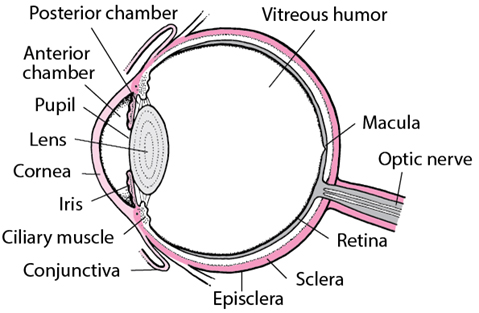
The cornea is the clear layer in front of the iris and pupil. It protects the iris and lens and helps focus light on the retina. It is composed of cells, protein, and fluid. The cornea looks fragile but is almost as stiff as a fingernail.
The cornea plays multiple important roles related to protection of the eye as well as vision.
- It helps focus light that comes into the eye and is responsible for up to 75 percent of the eye’s focusing power.
- It acts as a barrier against germs, dirt, and foreign particles that may harm the eye.
- It serves as a filter to screen out damaging ultraviolet rays from the sun.
However, it is very sensitive to touch. Corneal disease or damage can cause pain, tearing, and decreased sharpness of vision (visual acuity).
Common corneal diseases include:
- Keratitis, an inflammation of the cornea
- Dry eyes, which results when the eyes don’t produce enough tears ality.
- Herpes zoster (shingles). The virus that causes shingles spreads through nerve fibers and can emerge in the cornea.
- Ocular herpes. People infected with the herpes virus may develop sores on the eyelids or the surface of the cornea.
- Iridocorneal endothelial syndrome (ICE). ICE causes visible changes in the iris (colored part of the eye), corneal swelling, and glaucoma.
- Pterygium. This pinkish, triangular growth of tissue on the cornea is most common in sunny climates
- Stevens-Johnson syndrome called erythema multiforme major, this disorder of the skin also affects the eyes, causing painful blisters on the eyelids, conjunctivitis, corneal blisters and erosions, and holes in the cornea. It is often an allergic reaction to medication and may also be related to viral infections.
An Inside Look at the Eye
Corneal disorders include the following: