Squint & Pediatric eye disorders
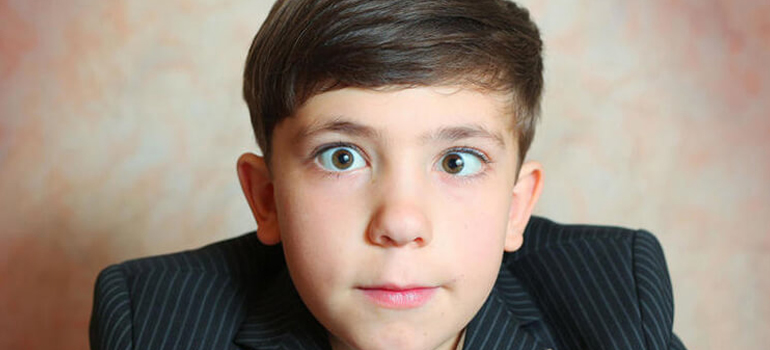
It is a fact that the sense of sight isn’t fully developed until children are 8 years old. That means there is a window of opportunity to diagnose and potentially reverse certain eye conditions before they become permanent.
The common pediatric eye disorders are:
- Blocked tear ducts
- Cellulitis of the eye
- Crossed eyes
- Headaches
- Lazy eye
- Pink eye
- Refractive errors including astigmatism, farsightedness and nearsightedness
- Stye
Squint eyes or Strabismus occurs when the eyes are turned, misaligned or “crossed.” If left untreated, it can lead to amblyopia and permanent vision loss.
An eye turn might be noticed soon after birth or even suddenly appear at about two years of age.This usually occurs because the muscles that control the movement of the eye and the eyelid, the extraocular muscles, are not working together. As a result, both eyes are unable to look at the same spot at the same time. It can also happen because a disorder in the brain means that the eyes cannot correctly coordinate.
Signs to watch for:`
- Blocked tear ducts
- An eye that points inward, outward, upward or downward
- Excessive and frequent squinting, especially in bright light
- Head tilting, in an effort to align the eyes
Squint eye can be:
- congenital
- hereditary, or running in families, suggesting a genetic link
- the result of an illness or long-sightedness
- due to a lesion on a cranial nerve
Treatment options include:
- congenital
- Glasses: If hypermetropia, or long-sightedness, is causing the squint, glasses can usually correct it.
- Eye patch: Worn over the good eye, a patch can get the other eye, the one with the squint, to work better.
- Botulinum toxin injection, or botox: this is injected into a muscle on the surface of the eye. The doctor may recommend this treatment if no underlying cause can be identified, and if signs and symptoms appear suddenly. The botox temporarily weakens the injected muscle, and this can help the eyes to align properly.
- Eye drops and eye exercises may help.
Surgery is only used if other treatments are not effective. It can realign the eyes and restore binocular vision